

back lighted mirror
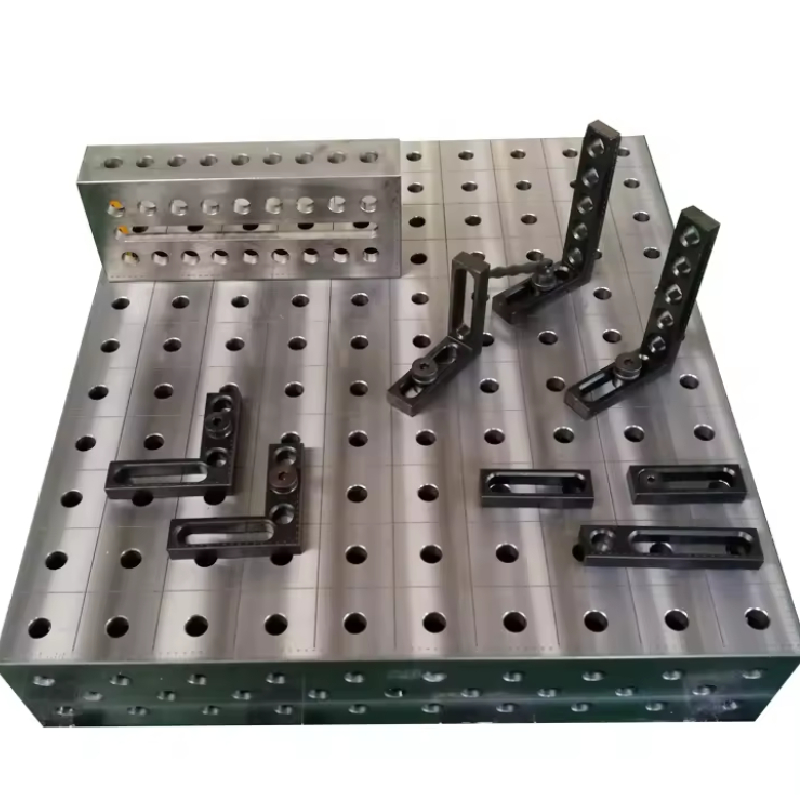
In the world of precision measurement, the granite box is an indispensable tool that ensures accuracy and reliability. Often used in conjunction with various inspection instruments, this solid and stable platform provides a level surface for measuring the dimensions of workpieces. The durability of granite makes it an ideal material for these applications, as it resists wear and maintains its flatness over time. Unlike other materials that may warp or degrade, a granite inspection block offers consistent performance, making it a preferred choice among professionals in fields such as manufacturing, engineering, and quality control. The use of a granite box significantly enhances the accuracy of measurements. Its inherent properties, such as low thermal expansion and high density, contribute to the stability required for precise inspections. When measuring components, even the slightest deviation can lead to significant errors, which is why utilizing a granite inspection block is crucial. This tool not only provides a reliable reference point but also helps in identifying any discrepancies in the dimensions of the workpiece. As industries increasingly prioritize quality and precision, the demand for high-quality granite boxes continues to grow, highlighting their importance in modern manufacturing processes. Moreover, the versatility of a granite box allows it to be used in various applications, from simple length measurements to complex geometrical assessments. This adaptability makes it an essential tool for engineers and quality assurance professionals alike. By investing in a high-quality granite inspection block , companies can ensure that they are equipped with the best tools for maintaining stringent quality standards, ultimately leading to improved product reliability and customer satisfaction. The Benefits of Using Granite Inspection Block in Quality Control Quality control is a critical component of any manufacturing process, and the granite inspection block plays a pivotal role in ensuring that products meet the required specifications. By using this tool, quality control professionals can conduct thorough inspections of components to verify their dimensions and tolerances. The reliability of a granite box in providing a stable reference surface allows for accurate measurements, which is essential for maintaining high standards in production. One of the primary benefits of using a granite inspection block is its ability to withstand harsh working conditions. Unlike other materials that may deteriorate over time, granite remains unaffected by temperature fluctuations, moisture, and chemical exposure. This durability ensures that the granite box retains its precision, allowing for consistent measurements over extended periods. As companies seek to minimize waste and improve efficiency, the longevity of a granite inspection block becomes a significant advantage. In addition to its durability, the use of a granite box also contributes to cost savings. By providing accurate measurements, it reduces the likelihood of producing defective parts that require rework or scrapping. This not only saves money on materials but also enhances overall productivity. Furthermore, the precision offered by a granite inspection block helps to streamline the inspection process, allowing quality control teams to work more efficiently and effectively. As industries continue to evolve, the importance of reliable tools like the granite box in quality control will only increase, making them a vital investment for any manufacturing operation. Square Marble Box: A Unique Alternative for Dimensional Inspection While granite is often the material of choice for inspection blocks, the square marble box offers a unique alternative that is equally valuable in dimensional inspection. Marble, known for its aesthetic appeal, also possesses qualities that make it suitable for precision measurement. The smooth surface of a square marble box provides an excellent reference point for measuring flatness and parallelism, making it a popular choice among professionals in various industries. One of the key benefits of using a square marble box is its ability to absorb vibrations, which can be particularly advantageous in environments where machinery is operating nearby. This vibration-dampening property allows for more accurate measurements, as even minor disturbances can lead to measurement errors. Additionally, the weight of a square marble box contributes to its stability, ensuring that it remains in place during inspections. Moreover, the aesthetic qualities of a square marble box make it an attractive addition to any workshop or inspection facility. Its polished surface not only looks professional but also facilitates easy cleaning, ensuring that the inspection area remains free from contaminants that could affect measurements. As industries continue to seek innovative solutions for dimensional inspection, the square marble box stands out as a reliable and effective tool that complements traditional granite options. Marble Ruler: Enhancing Precision in Measurement In the realm of precision measurement, the marble ruler is an essential tool that complements both granite and marble inspection blocks. Designed for accuracy, a marble ruler provides a reliable means of measuring lengths and angles, making it an invaluable asset in various applications. The combination of marble’s smooth surface and robust structure ensures that the ruler remains straight and true, allowing for precise measurements. The versatility of a marble ruler extends beyond simple length measurements. It can be used in conjunction with a granite box or square marble box to verify the dimensions of components, ensuring that they meet the required specifications. This synergy between tools enhances the overall accuracy of the inspection process, making it easier for professionals to identify any discrepancies in their measurements. Furthermore, the aesthetic appeal of a marble ruler adds a touch of elegance to any workspace, reflecting the professionalism of the user. As industries increasingly focus on quality and precision, the demand for high-quality measurement tools like the marble ruler continues to grow. By investing in reliable instruments, companies can ensure that their inspection processes are efficient and effective, ultimately leading to improved product quality and customer satisfaction. The combination of a marble ruler with granite and marble inspection blocks creates a comprehensive measurement system that meets the needs of modern manufacturing environments. FAQs: Understanding the Importance of Inspection Tools What is a granite box, and why is it important? A granite box is a precision tool used for dimensional inspection. It provides a stable, flat surface for accurate measurements, ensuring high-quality standards in manufacturing processes. How does a granite inspection block enhance quality control? A granite inspection block ensures accurate measurements, reducing the likelihood of defective parts and minimizing waste. Its durability and stability contribute to consistent quality control. What are the advantages of using a square marble box? A square marble box offers vibration absorption, stability, and an aesthetically pleasing appearance. It provides an excellent reference point for measuring flatness and parallelism. How can a marble ruler improve measurement accuracy? A marble ruler is designed for precision and can be used alongside inspection blocks to verify dimensions. Its straight and true nature ensures accurate measurements of lengths and angles. Why should I invest in high-quality inspection tools? Investing in high-quality inspection tools like granite boxes, marble boxes, and rulers enhances measurement accuracy, improves product quality, and ultimately leads to greater customer satisfaction. Elevate your measurement processes with our high-quality granite box , granite inspection block , square marble box , and marble ruler . Visit our website to discover our range of products and place your order. Ensure precision and quality in your inspections!
about
back lighted mirror
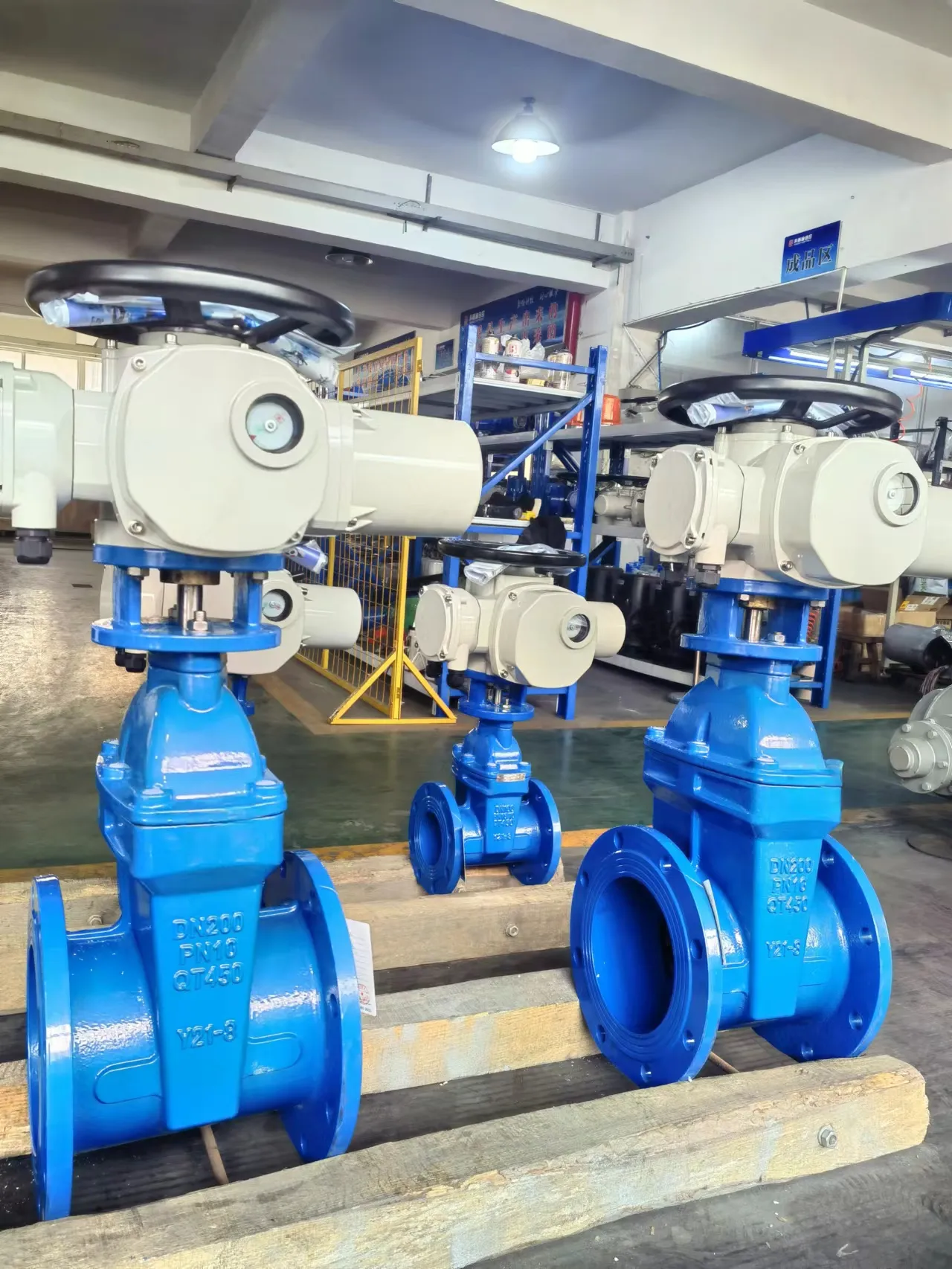
Understanding Back Pressure Check Valves Back pressure check valves are essential components in various fluid control systems, playing a critical role in ensuring the efficient operation of piping systems across multiple industries. These valves are designed to prevent reverse flow and maintain the necessary back pressure in a system, thereby protecting equipment and ensuring the integrity of fluid transport. What is a Back Pressure Check Valve? A back pressure check valve is a type of valve that automatically prevents backflow in a piping system. It operates based on the pressure difference between the inlet and outlet, allowing fluid to flow in one direction while blocking it from flowing in the opposite direction. These valves are particularly vital in applications where maintaining a specific pressure is crucial for system performance and safety. How Does a Back Pressure Check Valve Work? The operation of back pressure check valves is based on a simple yet effective mechanical principle. When fluid flows in the intended direction, it exerts pressure on the valve seat, which allows the valve to open. However, if the flow attempts to reverse, the backpressure pushes the valve seat against the closure mechanism, sealing it tightly and preventing any flow back into the system. This feature is vital in applications where backflow could lead to contamination, pressure failures, or damage to the equipment. Applications of Back Pressure Check Valves These valves find applications in various industries, including 1. Oil and Gas Back pressure check valves are used to maintain pressure within pipelines and prevent backflow during extraction and transportation processes. 2. Water Treatment In water treatment facilities, these valves help ensure that treated water does not flow back into the raw water supply, protecting the ecosystem and maintaining water quality. 3. Chemical Processing In chemical plants, preventing backflow is critical to avoid chemical contamination and ensure the safety of operations. 4. HVAC Systems In heating, ventilation, and air conditioning systems, back pressure check valves help manage airflow and maintain system pressure for optimal performance . Benefits of Back Pressure Check Valves back pressure check valve 1. Protection Against Contamination By preventing reverse flow, back pressure check valves ensure that harmful contaminants do not enter clean water systems or sensitive processes, enhancing overall system hygiene. 2. System Integrity These valves help maintain the integrity of the piping system by ensuring that pressure levels remain constant and within safe limits. 3. Reduced Maintenance With their automatic operation, back pressure check valves minimize the need for manual monitoring and maintenance, resulting in lower operational costs. 4. Energy Efficiency By maintaining a steady flow and preventing backflow, these valves contribute to the overall energy efficiency of the system, reducing pumping costs and improving performance. Choosing the Right Back Pressure Check Valve When selecting a back pressure check valve, it's essential to consider factors such as flow rate, pressure ratings, material compatibility, and the specific application it will be used for. Different designs, including spring-loaded and pilot-operated configurations, offer various advantages depending on the application requirements. 1. Material Selection It is crucial to select a valve material that can withstand the specific fluid type and environmental conditions, whether it be corrosive chemicals, high temperatures, or other demanding conditions. 2. Flow Characteristics Understanding the flow profile of the system is important for selecting a valve that minimizes pressure drop and optimizes performance. 3. Size and Connection Type Proper sizing and connection type ensure seamless integration into existing systems, preventing leaks and ensuring efficient operation. Conclusion Back pressure check valves are vital components of fluid control systems, contributing to safety, efficiency, and system integrity. By preventing backflow and maintaining necessary pressure levels, these valves protect equipment and enhance system performance in a range of applications. With careful selection and appropriate maintenance, back pressure check valves can provide long-lasting solutions for various industries, ensuring smooth and reliable operations. Whether you are working in oil and gas, water treatment, chemical processing, or HVAC, the importance of these valves cannot be overstated, as they play an indispensable role in modern fluid management systems.
-

High quality industrial productsagement

High quality industrial products
View Details -

Meet the diverse needs of customers

Meet the diverse needs of customers
View Details -

Strict quality control

Strict quality control
View Details -

Top raw materials

Top raw materials
View Details -

Trusted supplier

Trusted supplier
View Details
Our application

news and information
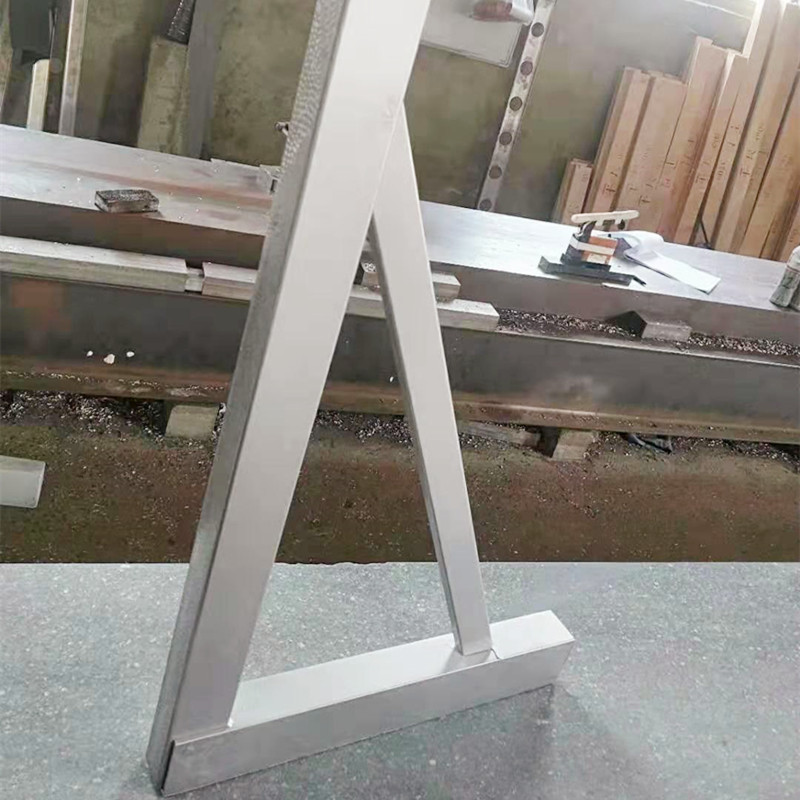
Využití paralelního pravítka v různých oborech a jeho výhody
Použití paralelních pravítek v praxi Paralelní pravítka jsou jedním z nejoblíbenějších nástrojů mezi

water shut off valve
Understanding Water Shut-Off Valves A Homeowner's Guide Water shut-off valves are an essential compo
Water Pressure Regulation Valve for Efficient Flow Control in Hydraulic Systems
Understanding Water Pressure Control Valves Water pressure control valves are essential components i
 English